|
Product Details:
|
| Material: | SCM435 | Tolerance: | +/-0.01mm |
|---|---|---|---|
| Hardness: | 37-43HRC | Application: | Automobile |
| Dimensions: | As Drawings | Service: | OEM / ODM |
| Type: | CNC Turning And Grinding | ||
| Highlight: | precision machined parts,cnc turning parts |
||
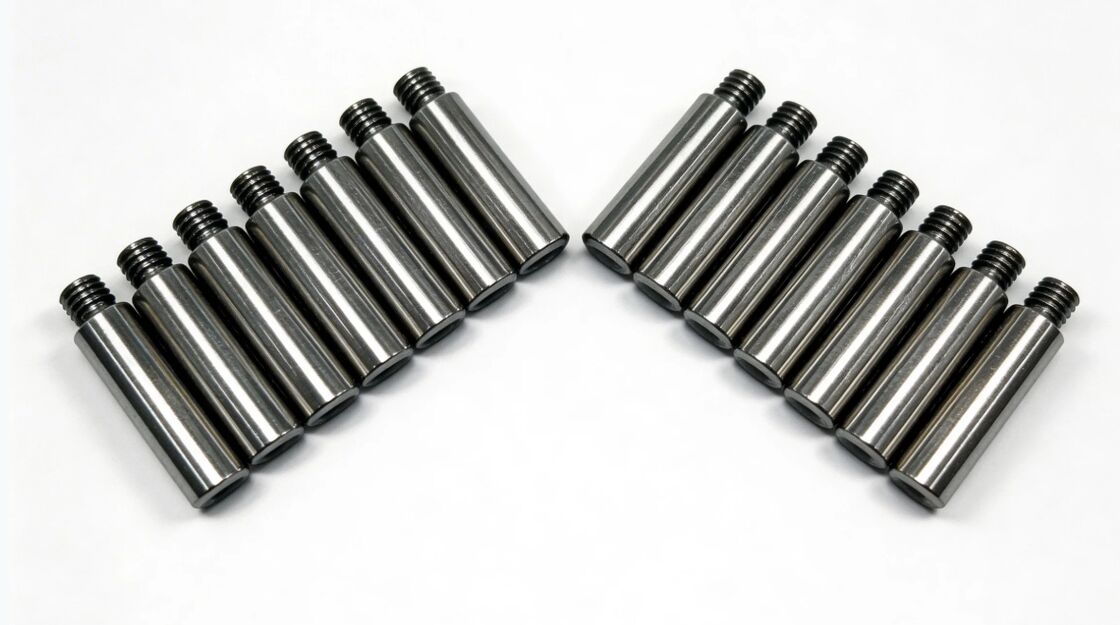
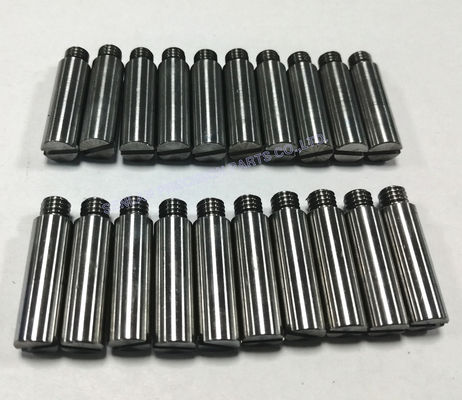
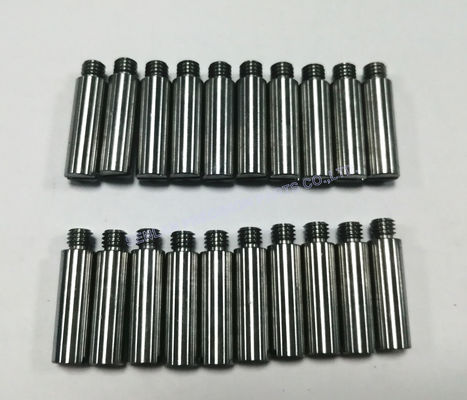
In multi-cavity precision molds, reliable alignment is critical. Even minor positioning errors can lead to mismatch, flash, uneven shut-off contact, accelerated wear, or cavity-to-cavity variation. Our 1.2344 positioning pins are precision mold alignment components manufactured to customer specifications, ensuring repeatable location, stable mold closing, and consistent production performance.
1.2344 (H13-class hot-work tool steel) is selected for positioning and alignment components that must withstand repeated cycling and contact stress. We machine and finish positioning pins with strict control of diameter tolerance, straightness, seating interfaces, and surface finish, supporting both new mold builds and replacement programs for high-cavity tooling.
A positioning pin (also called a locating pin) accurately locates mold plates, inserts, or functional sub-assemblies relative to each other. Unlike guide posts that guide mold closing over long strokes, positioning pins provide final, repeatable location at assembly interfaces.
Positioning pins face repeated contact and require stable performance over long cycles. 1.2344 offers:
1.2344 positioning pins are used in multi-cavity precision molds, including:
End products vary by customer design; we focus on mold alignment function and precision stability.
Positioning pins are simple in appearance but highly sensitive to machining quality. We focus on factors that define alignment accuracy and service life.
To quote 1.2344 positioning pins accurately, please provide:
What's the difference between a positioning pin and a guide post?
A guide post (leader pin) guides the mold through the opening/closing stroke. A positioning pin is typically used for precise, repeatable location of plates/inserts at assembly interfaces.
Why do positioning pins wear or cause alignment issues?
Common causes include incorrect fit clearance, insufficient hardness, poor surface finish, contamination, or damaged mating holes. Proper material selection and precision grinding reduce these risks.
Can you manufacture positioning pins to match existing molds?
Yes. If you provide drawings or mating interface dimensions, we can manufacture replacement pins for drop-in compatibility.
Do you provide inspection reports and certificates?
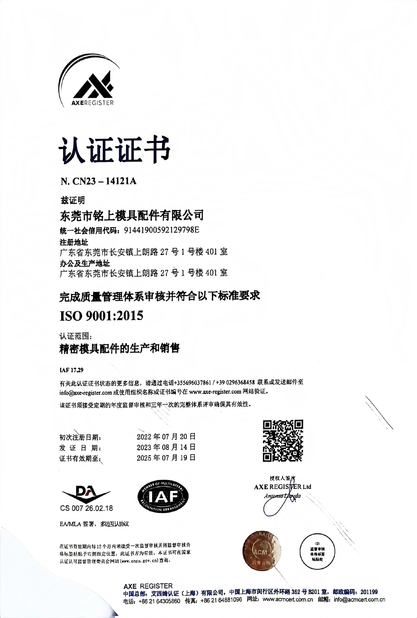
Yes. Inspection reports and material/heat treatment certificates are available upon request.
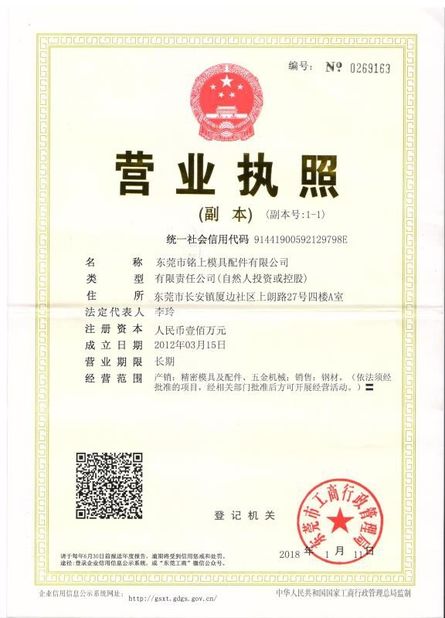
Send us your drawings (STEP/2D), quantities, fit requirements, target hardness, and required delivery date for 1.2344 positioning pins. We'll reply quickly with a clear quotation, lead time, and available quality documentation options.
Contact Person: Miss. Merry
Tel: +8618666474704
Fax: 86-769-81875281